
Concept Drafts › The Concept Drafts method
The Concept Drafts method
A better way to plan things you build with AI: describe the outcome, hand over whole jobs, think about the whole thing, try versions, then check with a professional.
1. Start with the outcome, not the drawing
Describe what you want to end up with, not how to draw it.
A plain chat or a design program starts from a blank page. Your goal was never a drawing: it was a boat that carries ten people, or a trailer that passes the health inspection.
Start your request with what it is, who it is for, how it will be used, the size and your budget. The draft fills in the rest, and you refine it.
Best practices
- Say what it is and who uses it.
- Give the size or the job it must do.
- Give your budget.
- Name must-haves and limits: off-grid, street legal, fits a 36-inch door.
- Say where it will be used, so the rules match.
2. Hand over the whole job, not single questions
Treat the AI as the person drafting the plan, not a search box.
Asking one question at a time leaves you to assemble the answers. Asking for the change itself gets the whole draft updated: specs, drawings, parts, budget and phases together.
Best practices
- Ask for complete changes, with your limits.
- Let it pick the approach when the detail doesn't matter to you.
- Use Discuss mode to talk it through first; nothing changes until you approve.
- Edit by hand when that is faster.
3. Think about the whole thing, not one part
Size, weight, power, cost and rules all affect each other.
A bigger battery adds weight, which changes the trailer, which changes the registration. Because one draft holds every section, a change in one place is carried through the others.
Best practices
- Give limits for the whole thing, not one part.
- Ask what else a change affects.
- Keep one project per thing you're making, so its history stays together.
4. Try more versions before you spend
Changes are cheap on paper and expensive in a workshop.
Ask for two or three directions and compare them: a cheaper build, a lighter one, a bigger one. Branch with "New chat from here" so the first version stays safe.
Best practices
- Compare versions on cost, weight and the rules they trigger.
- Keep the version you like; every version is saved.
- Use the free calculators to sanity-check one number.
5. Check before you build
A concept draft is where planning ends and professional checking begins.
Every draft lists who to involve and what each one checks. Print it and take it to them; your meeting starts from a clear plan instead of a blank page.
Best practices
- Take the printed draft to the professionals it names.
- Replace price ranges with real quotes.
- Get permits before work starts.
- Concept drafts are for planning, budgeting and talking to professionals. They are not engineering or build plans. Have a qualified professional check any design before you build or use it.
See it in a real draft
Every example draft was made from one sentence written this way.
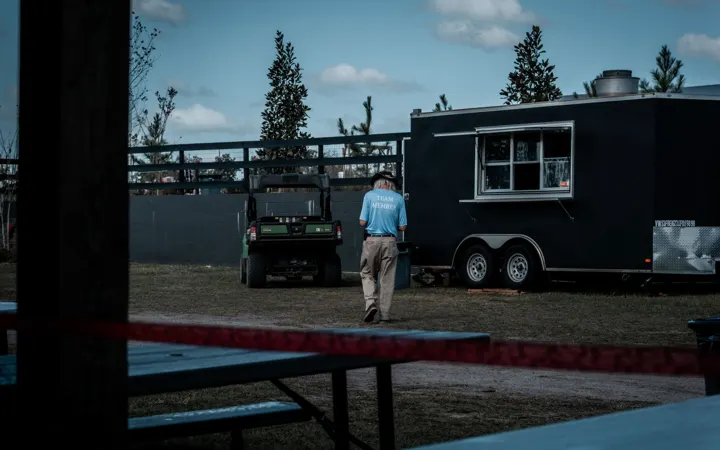
16-foot taco trailer
A full kitchen for taco service: prep, cooking, washing and the window.
16 ft · Full kitchen · Health code
24-foot off-grid tiny house
A home for two on a trailer, with solar power and water storage.
24 ft · 2 people · Off-grid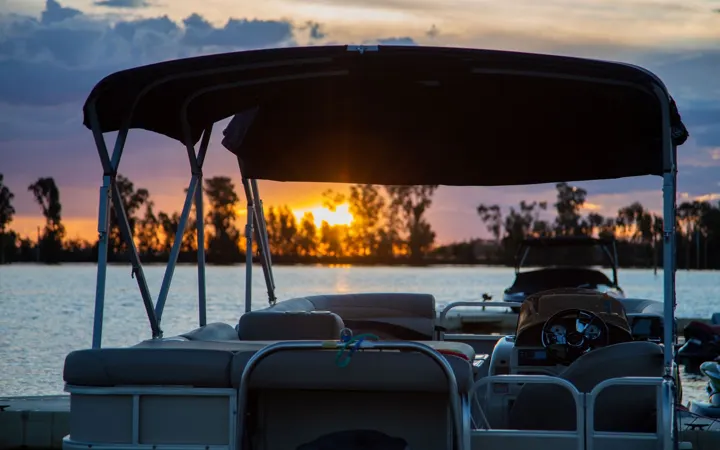
Electric pontoon boat
12 people, 3 hours of cruising for a lake rental business, about $45,000.
12 seats · 3 h cruise · RentalStart with an idea. Finish with a plan.
Describe it in one sentence. Specs, drawings, parts with prices and the rules to check, in about a minute.
For planning only: have a qualified professional check any design before you build or use it.